Choose an operating arrangement around the work your team needs to do. These program outlines describe available arrangements and the information needed for a quote; the formal proposal and contract define the scope.
One contract structure
Multi-city delivery
One project contact
Traceable costs and responsibilities
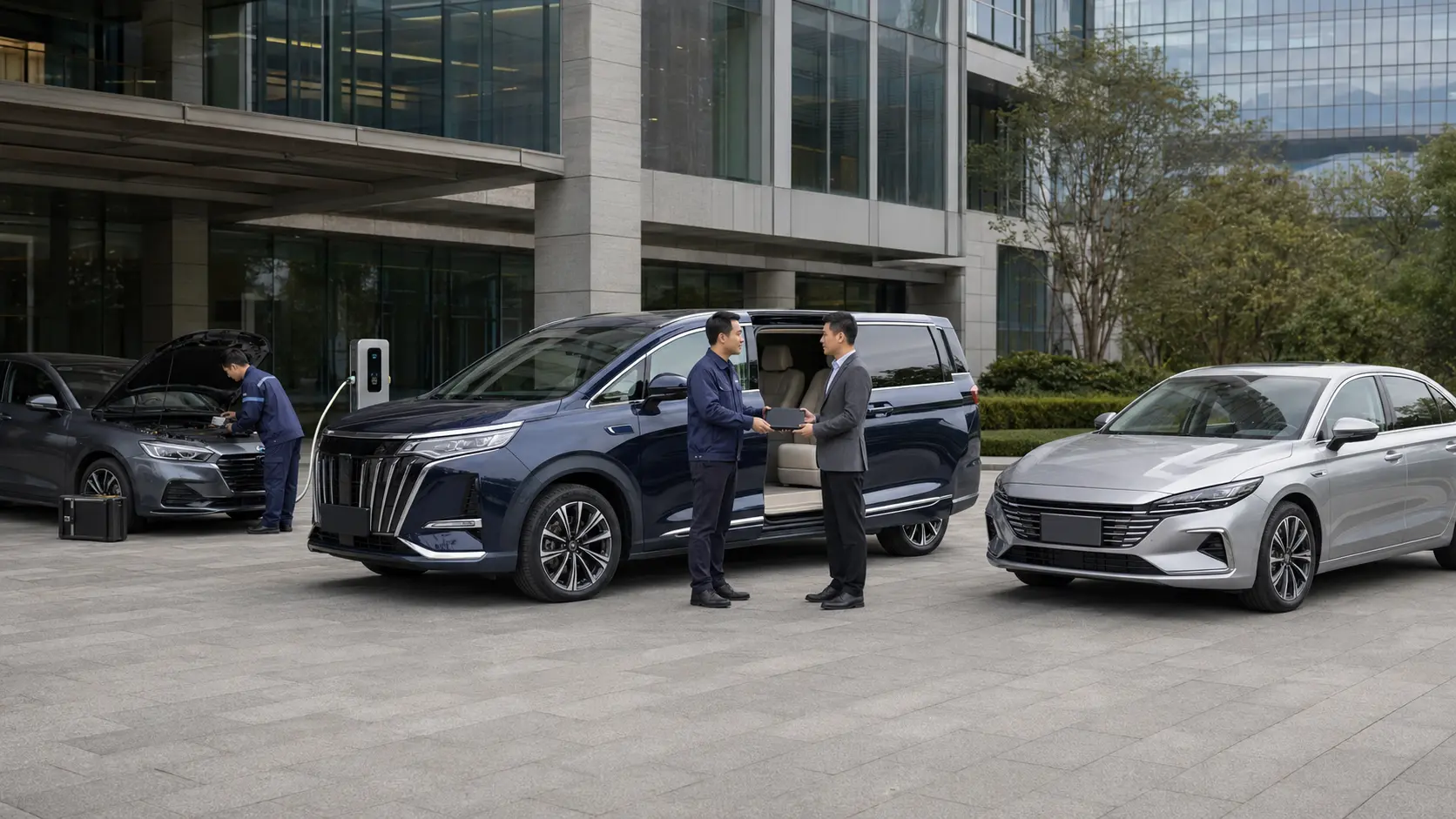
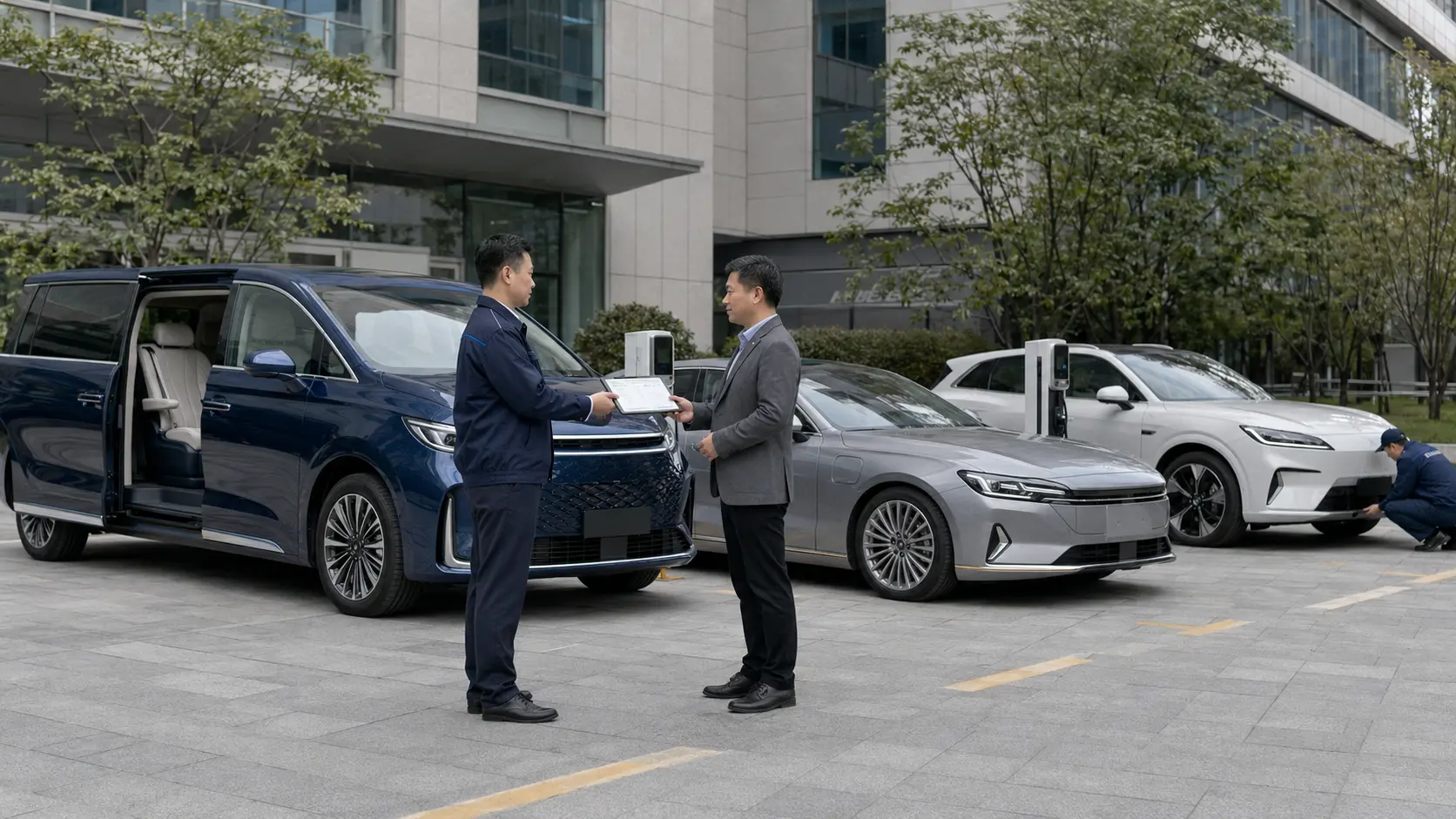
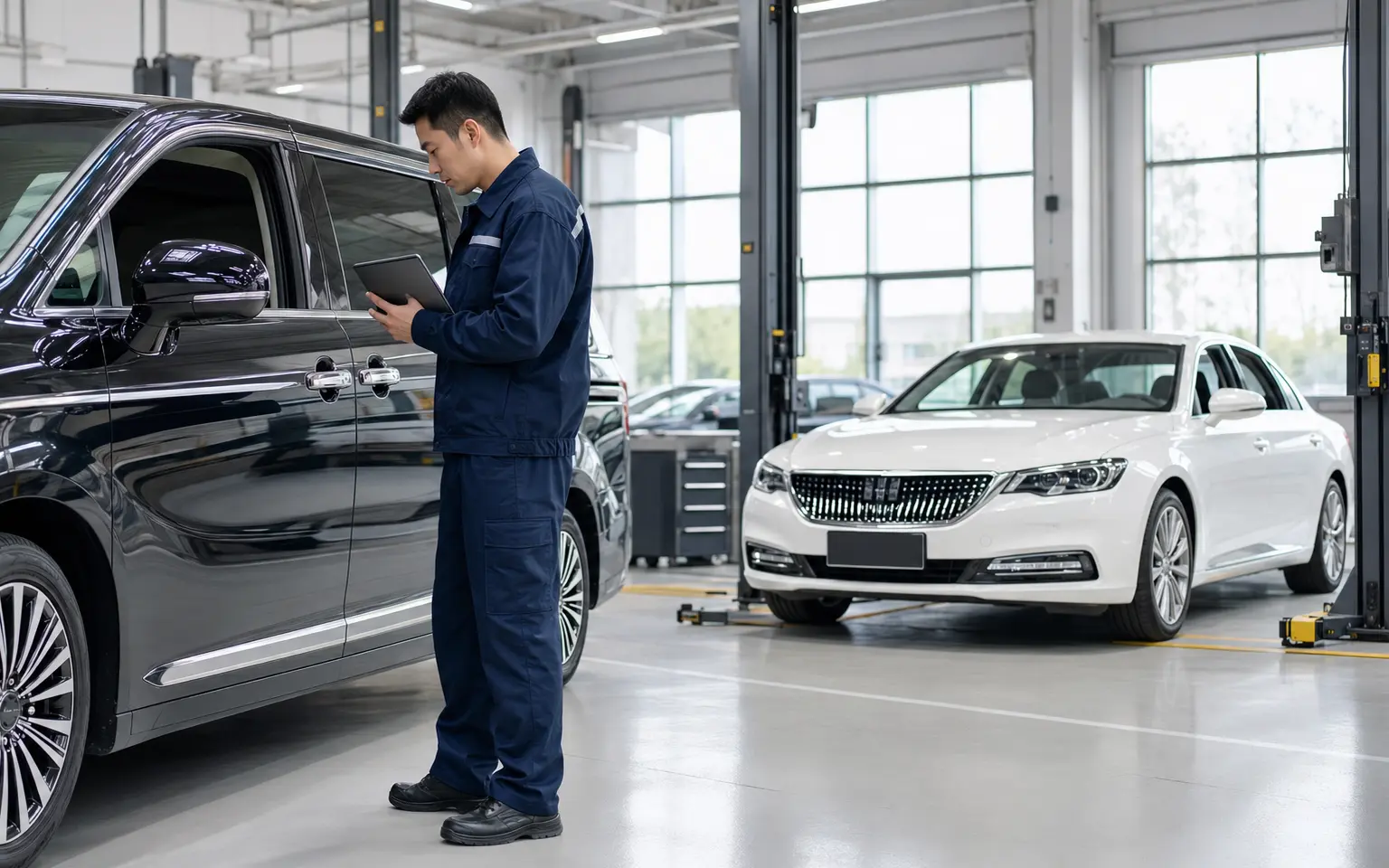
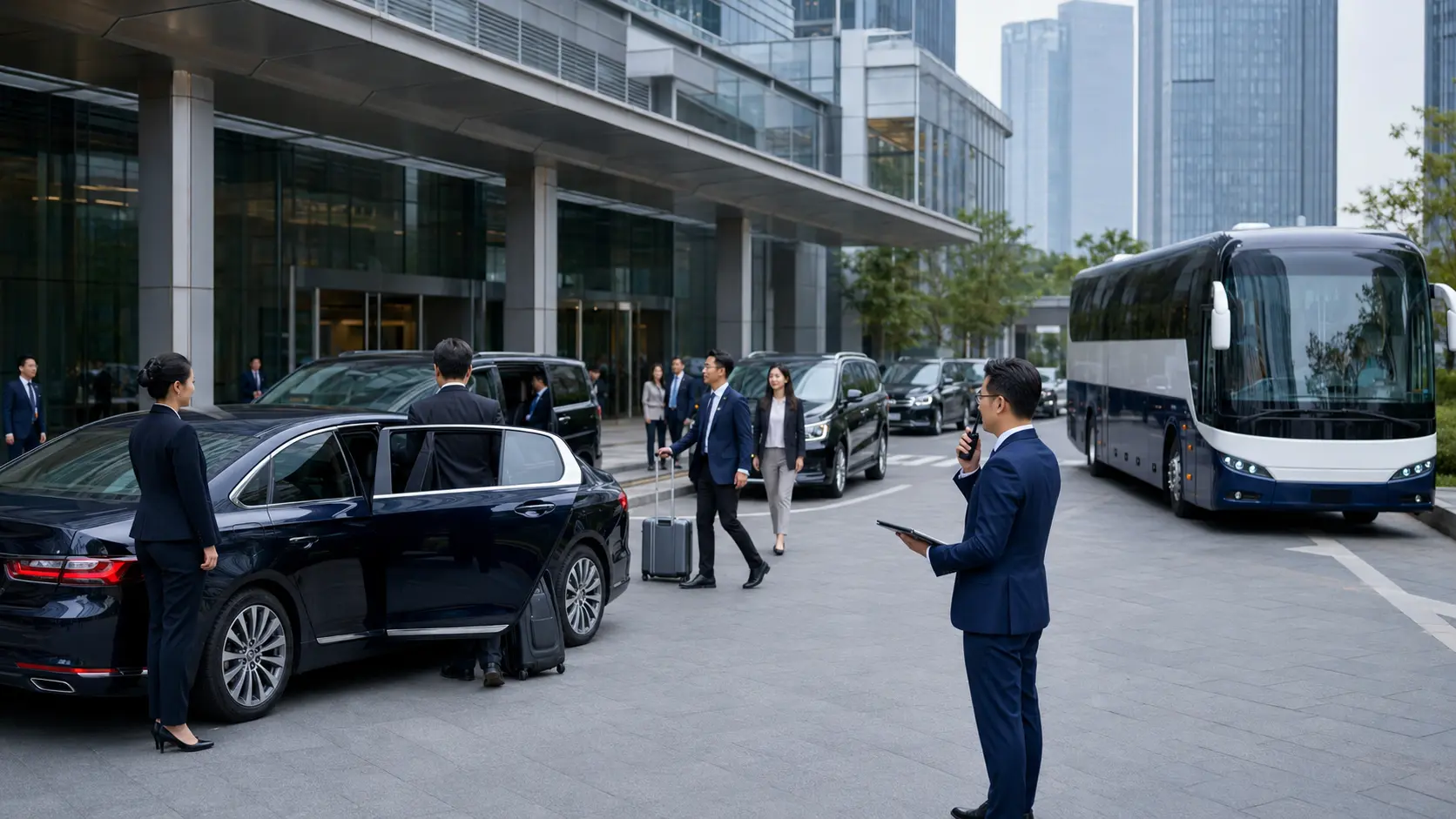
Illustrative business scene
Multi-city operations
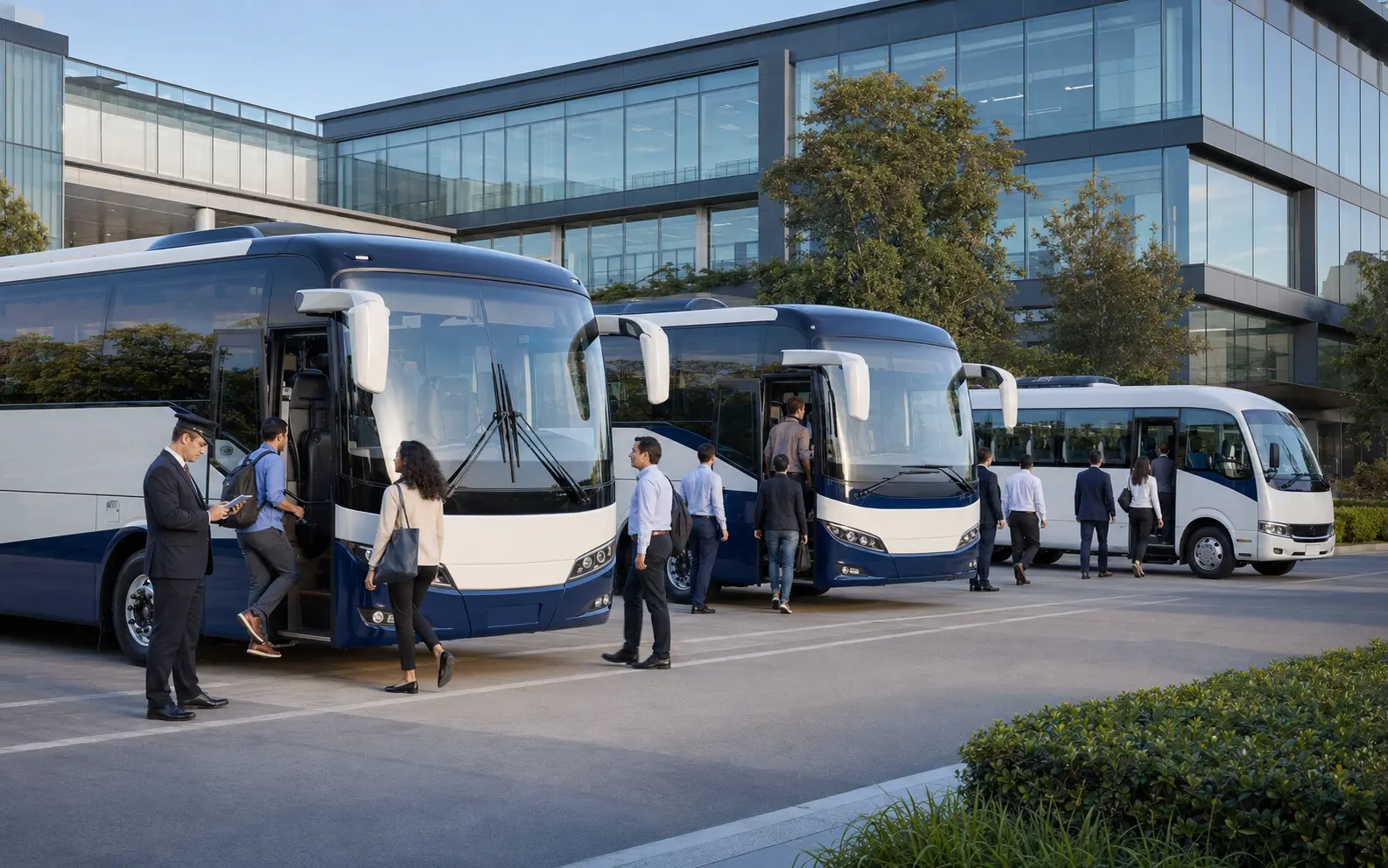
One contract for a multi-city corporate fleet
An international company opening offices in Beijing, Shanghai, Shenzhen, Guangzhou and Tianjin can arrange vehicles through one ANNPHAR team. A master agreement and city schedules cover delivery, operating support and billing, so headquarters does not have to manage a separate supplier in each city.
Companies operating in cities with vehicle registration restrictions may need locally registered vehicles. ANNPHAR can arrange vehicles to meet the agreed local plate requirement, with availability and delivery timing confirmed before signing.
Installation, audit, training and field teams may need vehicles for days, weeks or several months. Match the vehicle arrangement to the assignment, then agree how extensions, additional vehicles and returns will be handled.
When a company vehicle is being repaired or demand exceeds the current fleet, temporary rental can cover the gap. Confirm seating, dates and operating locations before arranging a suitable vehicle.
Headquarters staff, customers and international visitors need a clear arrival plan. One contact can coordinate airport or rail arrivals and travel between hotels, offices and factories.
Conference guests arrive on different flights and need transport between hotels, venues and dinner locations. Build a movement schedule before the event, separating individual pickups from group departures, with on-site dispatch for changes.
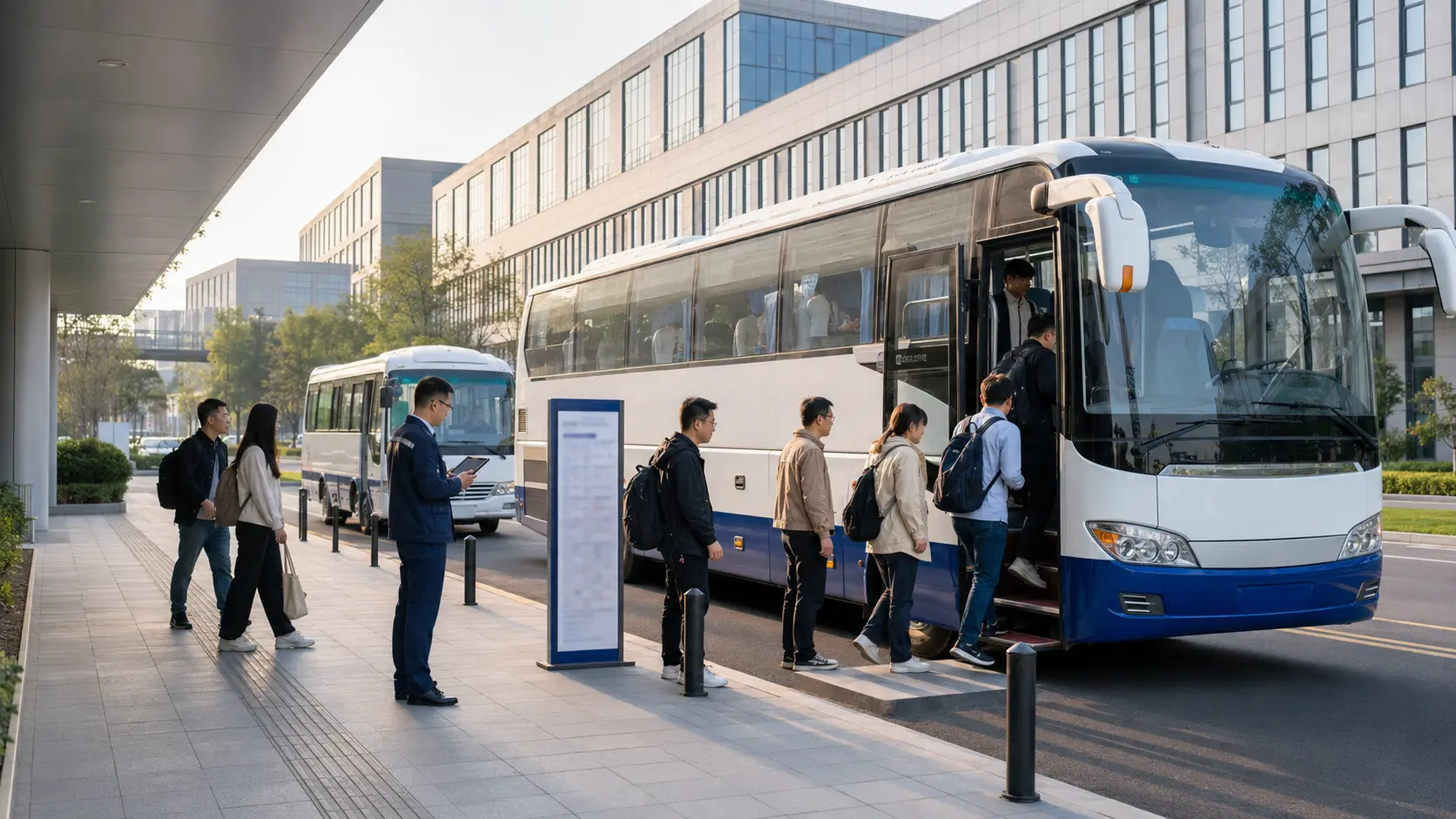
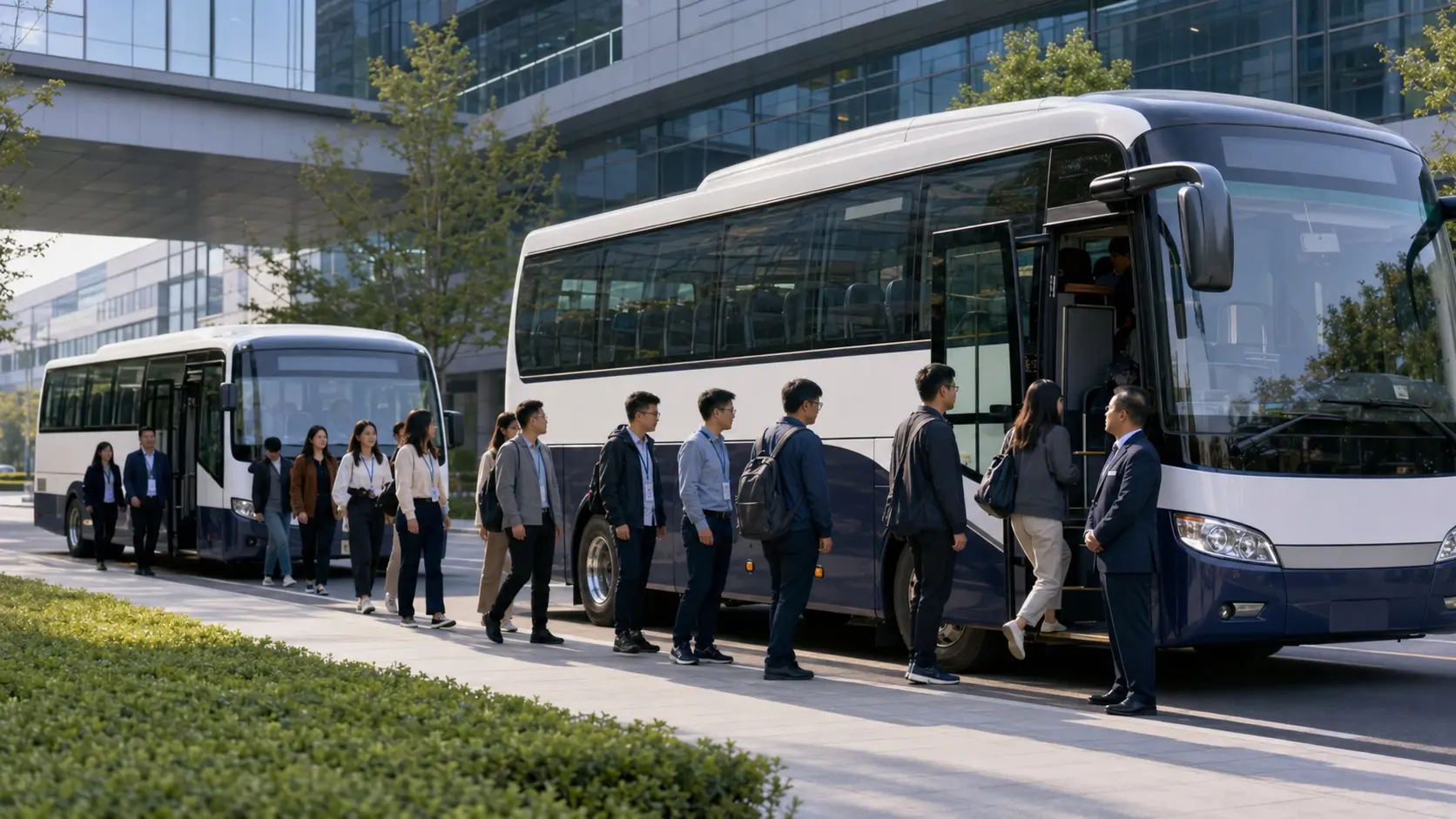
Morning, evening and night shifts need different departure times. Plan routes around employee pickup points and required arrival times, then confirm seating capacity, driver schedules and backup arrangements.
Offices away from metro stations may need scheduled peak-hour shuttles. Check passenger volumes and safe stopping space before choosing a route and departure frequency.
New sites often need temporary employee transport before commuting patterns settle. Training, phased hiring and relocation can be covered first, then the routes can be adjusted for regular operations.
Local registration availability and delivery timing are confirmed before signing. Local plates do not exempt a vehicle from traffic restrictions. Staffing, standby vehicles and service scope are agreed for each program.